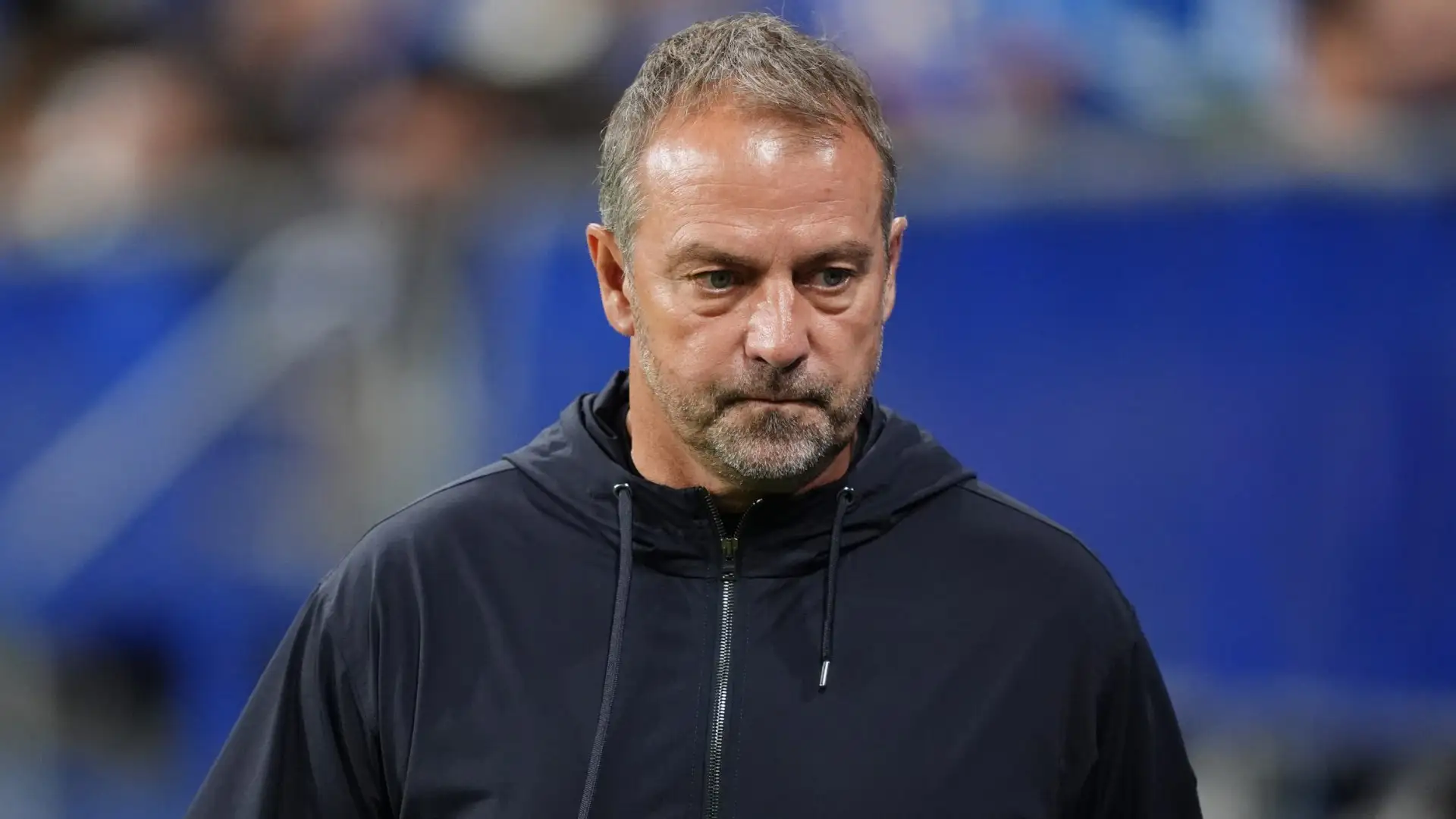
Barcelona’s victory over Espanyol in the Spanish Super Cup was neat, controlled, and ultimately expected. But the more revealing moment came after the final whistle — not on the pitch, but at the microphone.
Hansi Flick’s remarks about Fermín López, Dani Olmo, and Joan García were not casual praise or polite deflection. They were signals. Signals about how Barcelona under Flick is being rebuilt: less romantic, more ruthless; less about reputation, more about function.
This was not a manager reacting to one match. It was a coach outlining a direction.
Why This Matters Beyond a Derby Result
Barcelona are in a delicate phase. Financial constraints, squad churn, and heightened expectations mean every decision carries weight. In that context, Flick’s post-match messaging matters because it clarifies three things at once:
- Who Barcelona are willing to invest trust in
- What kind of football identity Flick is prioritising
- Which profiles fit the next version of Barça — and which may not
Derbies amplify narratives. Flick used this one to quietly reshape them.
Fermín López: Merit Over Hierarchy
Flick’s emphasis on Fermín López wasn’t just about energy or work rate. It was about reliability.
Fermín represents a shift away from the idea that youth players must wait their turn behind bigger names. Under Flick, the hierarchy appears conditional — built on intensity, tactical obedience, and match impact.
That benefits:
- Academy graduates who offer physicality and adaptability
- A club desperate for cost-effective contributors
- A manager who values pressing structure over positional nostalgia
The loser here is complacency. Under Flick, reputation buys opportunity, not security.
Dani Olmo: A Tactical Tool, Not a Star Signing
Flick’s comments on Dani Olmo were measured — deliberately so.
Rather than hyping creativity or flair, Flick framed Olmo as a system player. Someone who connects phases, occupies intelligent spaces, and raises the collective ceiling rather than dominating possession.
That tells us something important:
Barcelona under Flick may be moving away from individual-centric playmaking toward modular attacking roles.
For Olmo, that’s a chance to thrive — but also a constraint. Freedom exists, but within structure.
Joan García and the Subtext of Respect
Speaking about Espanyol’s goalkeeper Joan García, Flick struck a respectful tone — rare in derby rhetoric. But this wasn’t courtesy alone.
It reflected:
- A professional culture Flick wants to instill
- An understanding that domestic rivals are also talent pools
- A reminder that Barcelona’s rebuild isn’t insular
In modern football, respect often precedes recruitment. Even when no deal is imminent, language matters.
Who Benefits From Flick’s Approach
Young, Versatile Players
Those who can press, rotate positions, and absorb tactical instruction stand to gain most.
Barcelona’s Financial Reality
Flick’s system reduces dependency on marquee solutions and increases return on internal development.
Long-Term Stability
Clear principles reduce dressing-room politics. Players know what is required — and why.
Who Faces Pressure
Big Names Without Tactical Discipline
Talent alone will not protect minutes.
Fans Expecting Old-School Barça
The possession-heavy, artist-led model is evolving. Control now comes from structure, not dominance.
The Hidden Implication: A German Lens on Catalan Football
Flick is not trying to recreate Bayern in Barcelona — but he is importing a mindset:
- Vertical efficiency
- Collective pressing responsibility
- Ruthless role clarity
This doesn’t erase Barça’s identity. It retools it for a faster, more transitional European game.
What Comes Next
Expect:
- Increased rotation based on opponent profiles
- Youth players trusted in high-stakes matches
- Less tolerance for passive possession
Barcelona may not always look spectacular. But under Flick, they aim to be predictably competitive — a dangerous trait in tournament football.
The Bigger Picture
The Espanyol match will be remembered as a win. Flick’s comments should be remembered as a blueprint.
They suggest a Barcelona that is shedding sentiment, embracing structure, and redefining merit. Not loudly. Not dramatically. But deliberately.
And in a club where noise often precedes change, that quiet clarity may be Flick’s most disruptive move yet.